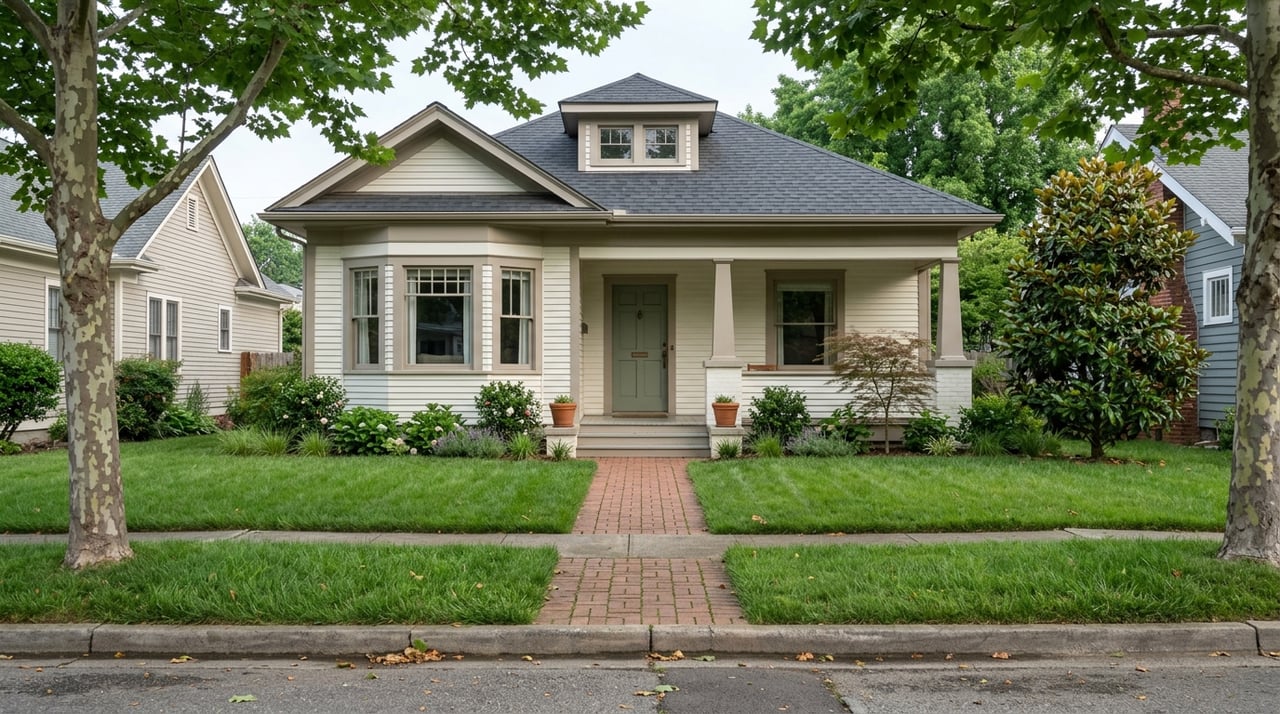
Looking for a neighborhood that feels distinctly Alameda from the moment you arrive? Gold Coast stands out for its historic homes, leafy streets, and easy access to parks, the beach, and everyday errands. If you are just starting to explore Alameda, this guide will help you understand what makes Gold Coast special, what kinds of homes you will find, and what to keep in mind as a buyer or seller. Let’s dive in.
Gold Coast at a Glance
Gold Coast is one of Alameda’s most established historic residential areas. Its development was centered around Franklin Park and the former Morton Street train station, which helped shape the neighborhood’s long-standing residential character.
Alameda describes itself as a unique island community connected to the mainland by four bridges, two underwater tubes, and three ferry terminals. In Gold Coast, that island setting shows up in a very practical way. You get a neighborhood feel that is calm and residential, while still staying connected to the rest of the Bay Area.
The area is also known for its strong visual character. Alameda’s design guidance notes the city’s 12,000 street trees, and that tree canopy helps frame Gold Coast as one of Alameda’s finest Victorian neighborhoods.
Everyday Life in Gold Coast
One of the easiest ways to understand Gold Coast is to picture a normal day there. This is a neighborhood where walks, bike rides, and short local trips shape the rhythm of daily life.
Franklin Park anchors the neighborhood
Franklin Park sits right in the Gold Coast section of Alameda and serves as a major neighborhood hub. It includes playgrounds, a pool, picnic space, fields, courts, and a recreation center.
That mix of amenities gives the neighborhood a built-in place to gather, play, or just spend time outdoors. Whether you are looking for green space close to home or a convenient spot for recreation, Franklin Park is a big part of day-to-day life here.
Beach access adds to the lifestyle
Gold Coast is also close to shoreline recreation. Robert W. Crown Memorial State Beach offers 2.5 miles of beach, a bicycle trail, lawns and picnic grounds, plus swimming, windsurfing, and wildlife viewing.
For many buyers, this is part of Alameda’s everyday appeal. You can enjoy a residential neighborhood setting and still have easy access to open space and waterfront activities without leaving the island.
Errands stay close and convenient
When it is time for dinner, shopping, or a quick outing, many residents look toward Park Street and Webster Street. City materials describe Park Street as a vibrant evening destination with a variety of eating establishments, and both corridors benefit from support for outdoor dining and parklets.
For larger-format errands, South Shore Center is one of Alameda’s regional retail centers. In practical terms, that means Gold Coast offers a strong balance of residential calm and daily convenience.
Homes in Gold Coast
If you are searching for one signature home style, Gold Coast may surprise you. The neighborhood is better understood as a collection of different architectural periods rather than a single look.
Architecture spans many eras
According to the Alameda Architectural Preservation Society, homes in the neighborhood date to the 1870s and include styles such as Italianate, Stick, Queen Anne, Colonial Revival, Craftsman, Spanish Colonial Revival, Ranch, and Modernism.
That range is part of what makes Gold Coast so interesting. You may see early Victorian-era houses on one block, early 20th-century period homes on another, and later infill homes in Ranch or more modern styles nearby.
Block-by-block variety is real
Historic documentation shows that Gold Coast’s classic growth phase produced mostly mid-sized two-story residences. Later, subdivided parcels brought additional infill, including Ranch-era homes.
Some parts of the neighborhood also include much larger residences on larger lots. A city case report on the Bruton House describes a Colonial Revival home on a 12,750-square-foot lot with more than 4,000 square feet of living space, and notes that larger parcels west of Sherman Street helped delay denser development.
This matters if you are home shopping in the area. Gold Coast is not a neighborhood where every listing fits the same mold, so it helps to evaluate each block and property on its own terms.
Historic details still shape the streetscape
Gold Coast retains many features that reinforce its historic character. Mature street trees remain a defining part of the setting, and on some blocks, globe-top standards still reflect Alameda’s early 20th-century street-lighting system.
For buyers, that can make the neighborhood feel visually rich and established. For sellers, it helps explain why presentation, upkeep, and neighborhood context matter so much when bringing a home to market.
Why Gold Coast Appeals to Buyers
For early-stage buyers especially, Gold Coast offers a compelling mix of charm, convenience, and variety. You are not choosing between lifestyle and practicality. In many cases, you get both.
The neighborhood combines historic architecture, tree-lined streets, access to Franklin Park, proximity to the beach, and convenient routes to Park Street, Webster Street, and South Shore Center. That combination gives Gold Coast a daily rhythm that feels easy to picture and easy to enjoy.
It also helps that Alameda has long been connected to the broader Bay Area. Historic reports note that many early homeowners in Gold Coast were San Francisco commuters using train and ferry service, which helps explain the area’s long-standing connection beyond the island.
What Buyers Should Keep in Mind
Historic character is a major part of Gold Coast’s appeal, but it also comes with important considerations. If you are thinking about buying here, it is wise to look beyond curb appeal and understand the property’s status and future improvement needs.
The City of Alameda says it has more than 10,000 buildings constructed before 1930 and has had a Historic Preservation Ordinance since 1975. Depending on a property’s status, exterior alterations, demolition, or protected-tree work can require review or a Certificate of Approval.
That does not mean historic homes are harder to love. It means planning matters. If you are considering repairs, additions, landscaping changes, or renovations, it is helpful to understand those rules early so you can make informed decisions.
What Sellers Should Know
If you own a home in Gold Coast, the neighborhood’s character can be a real advantage when it is time to sell. Buyers are often drawn to established streets, distinctive architecture, and proximity to parks and shoreline amenities.
At the same time, older homes often benefit from thoughtful preparation. Period-sensitive repairs, landscaping decisions, and exterior improvements may all deserve extra attention, especially if historic review could apply.
This is where local guidance matters. A seller can benefit from clear advice on how to present historic features, prioritize updates, and plan pre-sale preparation in a way that supports both marketability and compliance.
How to Explore Gold Coast Like a Local
If you are just starting your search, the best first step is simple. Spend time in the neighborhood and pay attention to how it feels block by block.
A few helpful ways to explore Gold Coast include:
- Walk around Franklin Park to get a feel for the neighborhood’s center of activity
- Notice the range of home styles from block to block
- Drive or bike toward Robert W. Crown Memorial State Beach to understand the area’s connection to the shoreline
- Visit Park Street or Webster Street to see where many residents go for dining and everyday outings
- Compare lot sizes, street trees, and streetscape details in different sections of the neighborhood
That kind of firsthand experience can help you understand the difference between liking a neighborhood on paper and feeling at home there in person.
If you are thinking about buying or selling in Gold Coast, working with a team that knows Alameda block by block can make the process feel much clearer. The Andrea Ruport Team brings deep local knowledge, thoughtful guidance, and a relationship-first approach to every move.
FAQs
What is Gold Coast in Alameda known for?
- Gold Coast is known for its historic residential character, mature street trees, architectural variety, and proximity to Franklin Park, Park Street, and Alameda’s shoreline.
What kinds of homes are in Alameda’s Gold Coast neighborhood?
- Gold Coast includes homes dating to the 1870s and features styles such as Italianate, Stick, Queen Anne, Colonial Revival, Craftsman, Spanish Colonial Revival, Ranch, and Modernism.
What park serves Alameda’s Gold Coast neighborhood?
- Franklin Park serves the neighborhood and includes playgrounds, a pool, picnic space, fields, courts, and a recreation center.
What should buyers know about historic homes in Gold Coast?
- Buyers should know that depending on a property’s status, exterior alterations, demolition, or protected-tree work may require City of Alameda review or a Certificate of Approval.
What amenities are near Gold Coast in Alameda?
- Nearby amenities include Franklin Park, Robert W. Crown Memorial State Beach, dining and shopping on Park Street and Webster Street, and larger-format errands at South Shore Center.