Wondering if a fixer-upper in West End Alameda is a smart opportunity or a money pit? You are not alone. Many buyers are drawn to the neighborhood’s character, older housing stock, and potential to create value, but they also want to avoid costly surprises. This guide will help you spot what matters most, budget more clearly, and think through the local rules that can shape your next move. Let’s dive in.
Why West End Has Fixer Potential
West End sits on the west side of Alameda alongside the broader Alameda Point area. City planning documents describe the area as a mix of residential neighborhoods, large-scale commercial areas, and one remaining maritime-industrial parcel. That mix, along with the age of much of the housing, helps explain why buyers still find homes here with room for improvement.
Alameda’s planning documents also note that older housing stock is concentrated in west Alameda, and rehabilitation need may be greatest there. In practical terms, that means you may see smaller, more functional homes with dated layouts, aging systems, or deferred maintenance. For the right buyer, that can create an opening to improve livability and long-term value.
West End also remains competitive. Recent market snapshots placed the neighborhood around the $1.05 million to $1.1 million range, and Redfin described the area as very competitive with homes taking about 27 days to sell over a recent three-month period. That is a reminder that finding a fixer here is not just about price. It is about recognizing potential quickly and making disciplined decisions.
What “Potential” Really Means
When you tour an older West End home, the real question is often not whether it looks dated. The better question is whether the house can work better for your daily life with thoughtful improvements. In a neighborhood with older and denser housing stock, layout, light, and function often matter more than surface finishes.
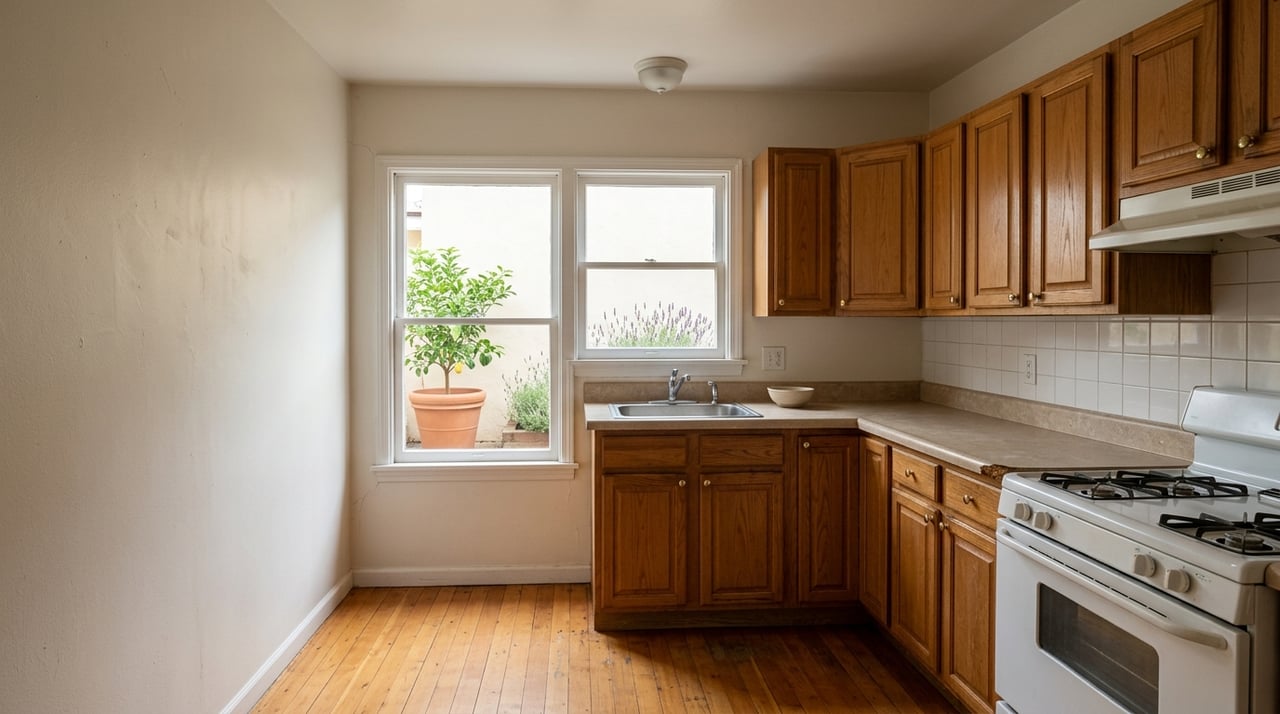
A home with old cabinets but a workable floor plan may be more attractive than a home with prettier finishes and a layout that wastes space. Likewise, a property with a detached garage, deeper backyard, or corner-lot setup may offer future flexibility that is easy to overlook at first glance. Potential is not just what a home looks like today. It is what it can reasonably become.
Evaluate Layout First
In West End, layout can be one of the clearest drivers of value. Many homes were built to meet earlier housing needs, so you may find closed-off kitchens, awkward room flow, or hallways that take up more square footage than they should. Those features can make a home feel smaller than it is.
As you walk through a fixer, ask yourself a few simple questions:
- Does the home have rooms that connect in a useful way?
- Could the kitchen open up to living or dining areas?
- Is there a realistic way to add a bedroom or bath if needed?
- Are you looking at cosmetic updates, or major structural changes?
In many cases, improving circulation and making the layout feel more natural can create more value than spending heavily on decorative upgrades alone.
Pay Close Attention to Natural Light
Light can change how a home feels the moment you walk in. In denser neighborhoods with older homes, window placement, side-yard setbacks, and tree cover can have a big effect on comfort and resale appeal. A house that feels dim may need more than fresh paint to feel inviting.
As you evaluate a property, notice where the brightest rooms are and whether the main living spaces get good daylight. Think about whether overgrown landscaping, small windows, or blocked sightlines are part of the issue. Some light problems are easy to improve, while others are built into the structure of the home.
Check the Lot for Flexibility
Lot potential can be a major part of the upside in a West End fixer. Backyard depth, corner placement, detached garages, and existing sheds may create options that go beyond the main house. If you are thinking long term, that extra flexibility can matter.
Alameda allows ADUs on residential-zoned properties. On a single-family lot, one ADU and one JADU are allowed. If you are looking at a detached accessory structure larger than 220 square feet, the city requires design review before a permit.
That does not mean every property is a strong ADU candidate. You still need to verify zoning, site constraints, and permitting details. But if a lot offers room to grow, that can be an important piece of the value story.
Focus on Systems and Structure
Older charm can be appealing, but systems and structure deserve your full attention before you make an offer. Alameda reports that about 87.7% of the city’s housing stock is older than 30 years. With homes of that age, even well-cared-for properties may need repairs, and some may need major rehabilitation.
In West End, key items to inspect closely include:
- Roof condition
- Drainage and site water flow
- Foundation issues
- Plumbing
- Electrical systems
- Moisture or water intrusion
- Seismic concerns
These are the issues that can quickly reshape your budget. A dated kitchen is usually visible. Hidden electrical or drainage work is where costs can rise fast.
Know the Historic Review Rules
Before you picture new windows, an addition, or a dramatic exterior update, make sure you understand whether the home may be subject to historic review. In Alameda, older homes can face extra oversight depending on the property and the scope of work.
The city states that a Certificate of Approval is sometimes required. It also notes that demolition or major alteration of structures built before 1942 can require Historical Advisory Board review. Owners and buyers can use the city’s CommunityView GIS to check whether a property has historic designation.
This step matters because review requirements can affect your timeline, design choices, and renovation budget. If a property has historic considerations, it does not mean you should walk away. It simply means you should go in with clear eyes.
Budget Beyond the Construction Bid
One of the most common fixer mistakes is underestimating soft costs and hidden conditions. In Alameda, most construction work requires permits, and exterior changes including windows require both a permit and Planning Design Review approval. The city’s Permit Center is fully online, so plan review, permit applications, and payments run through that process.
A realistic renovation budget should account for more than labor and materials. You may also need to plan for:
- Permit fees
- Plan review costs
- Engineering or structural consultation
- Historic review, if applicable
- Design review for certain exterior work
- Contingency for hidden conditions
This is especially important in older housing stock, where walls and subfloors can reveal surprises after work begins. A healthy contingency can protect your decision-making and reduce stress later.
Verify Zoning and Permit History Early
If you are serious about a fixer, do not wait until the last minute to verify what is possible. Alameda recommends checking zoning and permit history through CommunityView GIS and the Permit Center before buying. That step can help you confirm whether past work appears to have been permitted and whether your future plans are realistic.
It is also worth knowing that contractors working on building permits need a current City of Alameda business license. If you are planning a renovation, that is one more local detail to keep on your checklist.
Think About Your Exit Strategy
Not every fixer should be renovated the same way. The right scope depends in part on whether you plan to live in the home, resell it, or hold it as an investment. A clean cosmetic refresh may make sense for an owner-occupant purchase, while a long-term hold can raise different questions.
This matters even more with duplexes and small multi-unit properties. Alameda’s rent program says most rental units in the city are regulated, including multi-unit properties built before February 1, 1995. Single-family homes, condos, and townhomes are exempt from the local rent cap, though some may still be subject to state AB 1482 protections once age thresholds are met.
If you are buying a duplex or larger property, local rent rules should be part of your evaluation from the beginning. Alameda’s 2024 annual report noted 16,420 units subject to the Rent Ordinance as of December 31, 2024. That is a meaningful share of the local rental landscape, and it is too important to treat as an afterthought.
Don’t Ignore Flood and Shoreline Questions
West End’s location is part of its appeal, but shoreline considerations belong in your due diligence. City shoreline planning notes that West End is at higher elevation than some nearby Alameda Point areas, yet flooding is still possible. The city also expects long-term shoreline adaptation to be needed as sea levels rise.
If you are buying with a long time horizon, ask practical questions about flood exposure, resilience, insurance considerations, and how future adaptation costs could affect ownership. These issues may not stop a good purchase, but they should shape how you evaluate risk and budget over time.
Why Local Guidance Matters
West End fixer-uppers can be exciting because they offer something increasingly hard to find in the Bay Area: the chance to create value through smart improvements. But the best opportunities usually go to buyers who can quickly tell the difference between a home that needs updating and a home that needs a much deeper reset.
That is where local experience can make a real difference. A team that understands Alameda’s older housing stock, permit environment, neighborhood patterns, and renovation tradeoffs can help you focus on the homes with the right kind of upside for your goals.
If you are exploring West End fixer-upper homes and want a clear-eyed strategy, the Andrea Ruport Team can help you evaluate potential, navigate local details, and move forward with confidence.
FAQs
What adds the most value in a West End Alameda fixer-upper?
- In many West End homes, layout improvements, better room flow, added function, and stronger natural light may create more value than cosmetic upgrades alone.
How can you check if a West End Alameda home has historic review requirements?
- Alameda says buyers and owners can use CommunityView GIS to check historic designation, and properties built before 1942 may face additional review for demolition or major alterations.
What should you inspect before buying a fixer-upper in West End Alameda?
- Focus closely on the roof, drainage, foundation, plumbing, electrical, moisture issues, and seismic concerns, since older homes can carry both minor repairs and major rehabilitation needs.
Can a West End Alameda property support an ADU or JADU?
- Alameda allows ADUs on residential-zoned properties, and on a single-family lot one ADU and one JADU are allowed, but you should verify zoning, site constraints, and design review requirements for the specific property.
How do Alameda rent rules affect West End duplexes and multi-unit fixers?
- Alameda says most rental units are regulated, including multi-unit properties built before February 1, 1995, so buyers considering a hold strategy should review local registration, rent limit, and tenant protection rules early.
What flood or shoreline questions should you ask about a West End Alameda home?
- Ask about flooding potential, resilience concerns, insurance implications, and long-term shoreline adaptation issues, since the city notes flooding is still possible even though West End sits higher than some nearby areas.