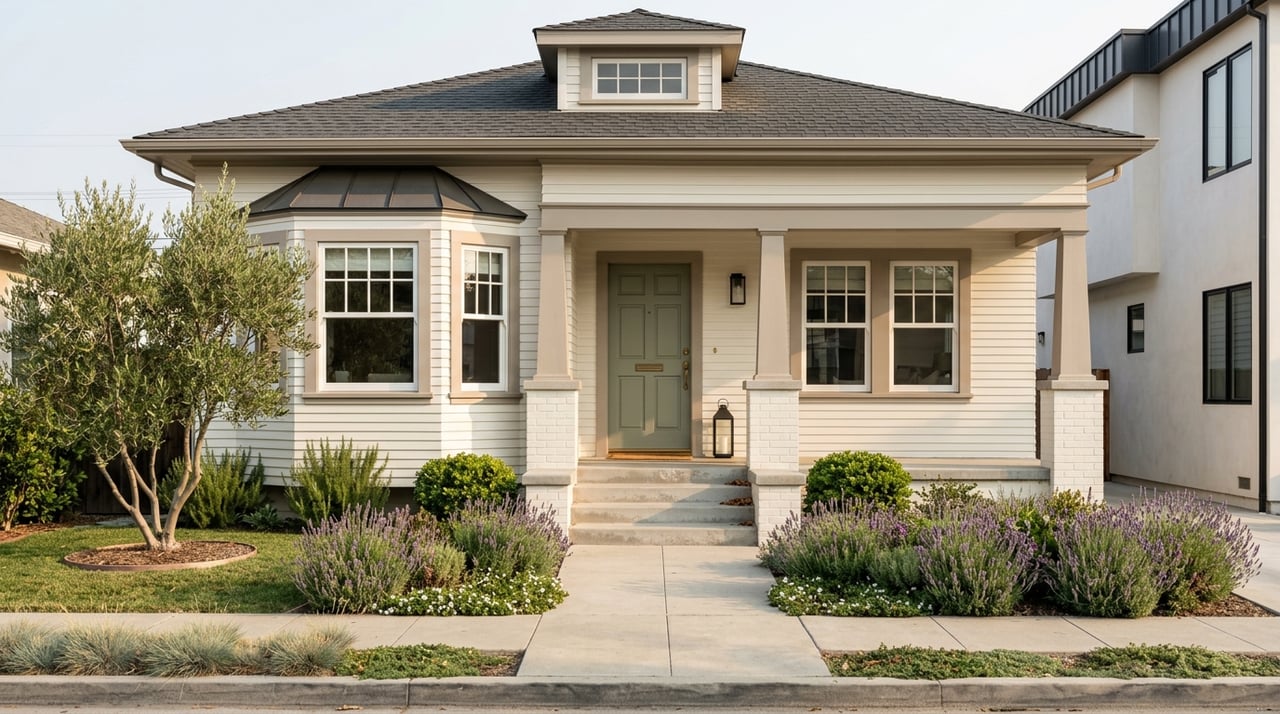
If you are trying to picture day-to-day life in Alameda’s West End, the short answer is this: it feels connected, local, and easy to settle into. You are not just choosing a place to live. You are choosing a neighborhood with a real main-street core, shoreline access, and a mix of historic character and newer development. If you want a better sense of what daily life actually looks like here, this guide will walk you through it. Let’s dive in.
West End at a Glance
Alameda’s West End is best understood as a west-side district rather than one single housing pocket. The area includes the Webster Business District, Alameda Landing, Alameda Point, Ballena Bay, and other businesses west of Grand Street, which gives it a broader neighborhood identity than a simple tract or subdivision.
That matters when you are deciding whether it fits your lifestyle. Instead of feeling purely residential, the West End combines established commercial blocks, waterfront access, open space, and active reinvestment. The result is a neighborhood that feels lived-in and practical, with plenty happening close to home.
Webster Street Shapes Daily Life
For many residents, Webster Street is the heart of the West End. It works like a local main street, with shops, restaurants, services, and regular neighborhood activity that make the area feel active without feeling overwhelming.
The corridor is also intentionally pedestrian-oriented. The City of Alameda expanded space for outdoor dining, retail, and services, and city guidance encourages walking, biking, or taking the bus when visiting the area. That design approach helps make Webster feel more usable for everyday errands, casual meals, and weekend routines.
One of the nicest small details is the Alameda Farmers’ Market, held on Tuesday and Saturday mornings in the West End lot on Webster. That kind of recurring event adds rhythm to the week and gives the neighborhood a steady, local feel.
What errands look like here
One reason buyers are drawn to the West End is that many day-to-day needs can be handled close by. The area includes coffee spots, brunch options, takeout, gifts, thrift finds, and other practical services within the broader district.
That convenience does not mean every errand is a quick walk from every address. But compared with neighborhoods that are mostly residential, the West End functions more like a neighborhood center. If you value having useful destinations nearby, that is a real lifestyle advantage.
Dining and Shopping Feel Local
The West Alameda Business Association describes the West End as a historic district with boutiques, restaurants, and a diverse range of cuisines. Current business listings support that picture, with local names that include Café Jolie, Calafia Taqueria, Bhan Mae Vane, Ceron Kitchen, Chef’s Wok, East Ocean Seafood, Signal Coffee Roasters, and Southern Comfort Kitchen.
Retail and service options add to that neighborhood feel. Listings include shops such as The Feathered Outlaw, Lanvie, Dandelion Flowers and Gifts, The Thrifty Kitty, and Alameda Sports Cards & Comics. Together, these businesses help the area feel personal and local rather than generic.
Why that matters for buyers
When you live in a place with a strong local business mix, your routine often gets easier. You may find yourself heading out for coffee, picking up a gift, meeting friends for lunch, or checking off a few small errands without planning a longer trip.
That does not just save time. It changes how a neighborhood feels to live in. In the West End, the commercial core adds energy and convenience that many buyers are looking for.
Waterfront Access Is a Big Draw
One of the West End’s biggest lifestyle advantages is how close you are to the shoreline. If being near the water is part of your ideal Alameda experience, this part of the island delivers that in a very real way.
A standout amenity is Robert W. Crown Memorial State Beach. East Bay Parks describes Crown Beach as a 2.5-mile beach with sand dunes bordering a bicycle trail, with recreation options that include swimming, kayaking or sailing, picnicking, fishing, and kid-friendly use. The City also describes it as the Bay Area’s longest swimming beach and one of the region’s most accessible shoreline destinations.
That means the beach is not just a scenic backdrop. It can become part of your regular routine, whether that looks like a morning walk, an evening bike ride, or a relaxed weekend by the water.
Getting Around Is Easier Than You Might Expect
For buyers who want more than car-only living, the West End stands out. The area benefits from ferry service, bike and walking infrastructure, and neighborhood-serving businesses that can reduce the need to drive for every outing.
Alameda has three ferry terminals connecting the city to San Francisco, South San Francisco, and Oakland. For West End residents, Seaplane Lagoon offers direct weekday commute service to downtown San Francisco, and the Main Street Ferry Terminal serves the Oakland and Alameda route.
The City also encourages ferry riders to bike, walk, or take the bus to terminals when possible. If you are trying to build a more flexible commute or simply want options, that multimodal setup can be a real plus.
The Cross Alameda Trail adds flexibility
Another major asset is the Cross Alameda Trail. The City describes it as a low-stress four-mile bicycling and walking corridor that will connect the west side of the island to the east.
For the West End in particular, the western Ferry Point segment from Seaplane Lagoon to West Atlantic has already been completed as a walking promenade and protected two-way cycle track. In practical terms, that supports a more bike-and-walk-friendly lifestyle, not just recreational use.
Housing Has Variety and Character
The West End is not defined by one housing type, and that is part of its appeal. The best-supported description is a mix of older Alameda fabric with newer mixed-use and multi-family housing, especially near Alameda Point and redevelopment areas.
On the historic side, Webster Street has deep roots. The City’s Webster Street Design Manual traces the area to Neptune Beach, a resort district from the late 19th and early 20th centuries, and notes that many buildings from that era remain. Architectural styles mentioned by the City include Victorian, Italianate, and Art Deco or Moderne.
That history helps explain why parts of the West End can feel older, denser, and more character-rich than newer suburban-style neighborhoods. If you are drawn to places with architectural texture and a sense of continuity, that may be a meaningful plus.
Newer development is part of the story too
At the same time, the West End is evolving. The City says Site A at Alameda Point is a transit-oriented waterfront development that will include apartments, townhomes, parks, and nearly 100,000 square feet of restaurants, retailers, makers, research and development, and office space.
The Main Street Neighborhood Specific Plan also calls for a transit-oriented, mixed-use, mixed-income neighborhood with diverse housing options, parks, open spaces, and neighborhood-serving businesses. So if you are looking for newer housing opportunities in addition to older homes, the West End offers that mix.
What the West End Feels Like Socially
If you are wondering about the overall vibe, think small-city main street meets waterfront district. The West End does not read as a quiet enclave removed from activity. It feels more like a neighborhood where local businesses, recreation, and redevelopment all play a role.
That can be a great fit if you want your neighborhood to feel active and connected. You have places to go, things to do, and a stronger sense of public life than you might find in a purely residential area.
For some buyers, that mix is exactly the appeal. You get the comfort of a neighborhood setting along with the convenience of a district that supports daily routines, dining, movement, and time outdoors.
Is West End Right for You?
The West End may be worth a close look if you want a neighborhood with several of these qualities:
- A local main-street feel
- Walkable pockets for errands and dining
- Waterfront access and beach proximity
- Ferry options for regional connections
- Bike and walking infrastructure
- A mix of historic character and newer housing
It may be especially appealing if you want a practical, lived-in neighborhood instead of a place that feels purely residential or overly polished. The West End has personality, and that is part of what makes it memorable.
If you are comparing Alameda neighborhoods, this area often stands out for the balance it offers. You can have local businesses, shoreline access, and housing variety in one part of town, which is not always easy to find.
If you want help figuring out whether the West End matches your goals, home style, and day-to-day priorities, the Andrea Ruport Team brings deep Alameda knowledge and a thoughtful, relationship-first approach to the process.
FAQs
What is the West End of Alameda known for?
- The West End is known for its Webster Street business district, waterfront access, ferry connectivity, local shops and restaurants, and a mix of historic character and newer development near Alameda Point.
How walkable is Alameda’s West End?
- The Webster Street core is especially walkable, with pedestrian-focused improvements, outdoor dining areas, and a mix of businesses and services that support everyday errands.
Can you live with less driving in Alameda’s West End?
- Yes, relatively speaking. The area offers ferry access, bike and walking routes like the Cross Alameda Trail, and neighborhood businesses that can reduce the need for constant driving.
What types of homes are in Alameda’s West End?
- The area includes a mix of older, character-rich housing and newer multi-family or mixed-use development, especially closer to Alameda Point and other redevelopment zones.
Is Alameda’s West End near the beach?
- Yes. West End residents have convenient access to Robert W. Crown Memorial State Beach, a 2.5-mile shoreline destination with space for walking, biking, swimming, picnicking, and other outdoor activities.
What is daily life like on Alameda’s West End?
- Daily life in the West End often centers around local errands, dining on or near Webster Street, waterfront recreation, and flexible transportation options that include walking, biking, and ferry service.